


Mimi’s Closes More Stores as the California Born Diner Chain Shrinks
Another familiar sit-down chain is getting smaller. Mimi’s, the California-born restaurant known for breakfast plates, muffins, quiche, and a French-country diner feel, has closed more stores as the brand continues to shrink from the footprint many customers remember.
The latest closures, reported by Yahoo Finance, fit a larger pattern in casual dining. Many mid-priced restaurant chains are still working through higher labor costs, higher food costs, changing traffic patterns, and a customer base that has become more selective about where it spends dining-out dollars.
For Mimi’s, the news hits differently because the chain was never just another highway-adjacent restaurant. It built its name on a cozy dining room, bakery cases, breakfast all day, and a menu that tried to feel a little more personal than a standard diner. That made it memorable. It also made the recent contraction more noticeable.
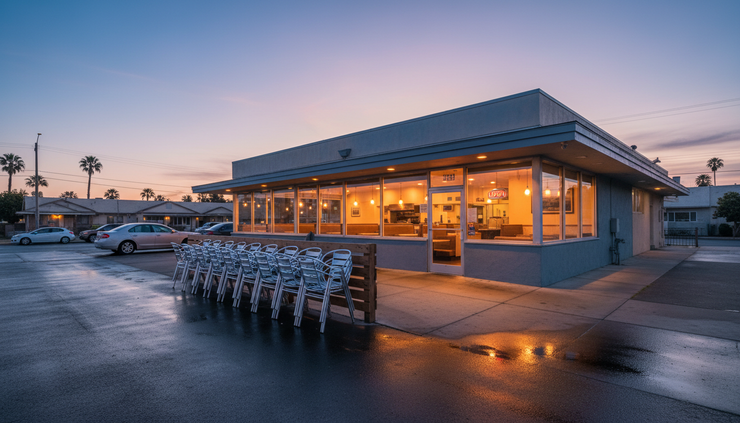
Mimi’s was built on a different kind of diner experience
Mimi’s began in California and grew by offering something slightly different from the typical American diner. The restaurants often leaned into a French-inspired look, with warm colors, bakery items, and a menu that moved between breakfast comfort food and bistro-style dishes.
That combination helped the chain find a place in suburban dining. It was family-friendly without feeling like a fast-food stop. It worked for breakfast with grandparents, brunch after church, lunch with friends, and late dinners on weeknights when nobody wanted to cook.
For many regulars, Mimi’s meant:
Muffins served before the meal
Omelets, pancakes, and other breakfast staples
Soups, salads, sandwiches, and pot pies
A casual dining room where people could stay awhile
A slightly cozier mood than a typical chain restaurant
That identity mattered. A restaurant chain does not need to be the biggest to feel important in people’s routines. Mimi’s became part of the casual dining map in many communities because it filled a specific niche, somewhere between diner, bakery cafe, and family restaurant.
The challenge is that a niche can be hard to protect when the broader restaurant market changes.
The latest closures show a chain still getting smaller
The Yahoo Finance report points to more store closures for Mimi’s, continuing a years-long pullback from its larger days. The chain once had a much bigger national presence, but its current footprint is far smaller than it was at its peak.
That does not mean every remaining location is in immediate danger. Store closures often happen unevenly. A restaurant can close in one city while another location continues to operate normally in a different market.
Still, when a chain closes multiple restaurants over time, it sends a clear signal. Ownership is likely rethinking where the brand works best, which leases still make sense, and whether older locations can carry today’s operating costs.
For customers, the signs usually feel sudden. One week a location is taking reservations or serving breakfast. The next week there is a note on the door, a dark dining room, or a listing marked permanently closed.
Behind the scenes, the decision often takes longer. Restaurant operators look at sales trends, rent, staffing, repairs, local demand, and the cost of keeping each location open. If a store cannot reach the numbers needed to justify those costs, closure becomes more likely.
The important point is simple: Mimi’s is not disappearing from memory, but it is operating as a smaller chain than it once was.

Why casual dining chains are under pressure
Mimi’s is not alone. Sit-down restaurant chains across the country have faced a tougher operating environment in recent years.
The pressure comes from several directions at once.
Food costs have risen. Ingredients that used to feel predictable now swing more widely in price. Eggs, dairy, meat, produce, cooking oil, and baked goods can all affect margins. A restaurant with a wide menu has more exposure to those changes than a smaller concept focused on a few items.
Labor is also more expensive and harder to manage. Full-service restaurants need hosts, servers, cooks, dishwashers, managers, and prep staff. If traffic slows, the labor model becomes harder to balance. If staffing is too thin, service suffers. If staffing is too heavy, costs climb.
Rent and maintenance can also become a problem, especially for older full-service locations. Large dining rooms, kitchens, patios, parking lots, and aging buildings cost money to maintain. A chain can sometimes refresh a restaurant, but renovations are expensive. If the location is already underperforming, spending more money on it may not make sense.
Then there is customer behavior. Many diners now split their spending across fast casual restaurants, delivery apps, coffee shops, meal kits, grocery prepared foods, and local independent restaurants. A traditional sit-down chain has to compete with all of that.
The result is a squeeze. Customers expect value, convenience, good service, and a pleasant place to sit. Operators have to deliver all of it while paying more to run the restaurant.
That squeeze has hit many familiar brands, not just Mimi’s.
Breakfast may be loved, but it is not an easy fix
Mimi’s has long had a natural strength in breakfast and brunch. That can be a bright spot, since breakfast has loyal customers and strong emotional appeal. People remember weekend pancakes. They remember coffee refills. They remember family meals after school events or Sunday mornings.
But breakfast does not solve every business problem.
Morning and brunch traffic can be strong on weekends and softer during the week. A restaurant still has to pay for the building, utilities, staff, insurance, and repairs even during slower hours. If lunch and dinner are weak, breakfast alone may not carry a large full-service dining room.
There is also stiff competition. Breakfast is no longer owned by traditional diners. Coffee chains sell breakfast sandwiches. Fast-food chains push value breakfast menus. Fast casual cafes sell eggs, bowls, pastries, and espresso drinks. Local brunch spots draw younger customers with seasonal menus and a more current dining room feel.
For a chain like Mimi’s, the question is not whether people like breakfast. Many do. The harder question is whether enough people visit often enough, at the right price, to support a full restaurant footprint.
That is where older casual dining brands face a tricky balance. They need to keep the dishes that loyal guests expect, while also giving new guests a reason to choose them over newer options.

Store closures do not always mean a brand has failed
When people hear that a chain is closing stores, the first assumption is often that the brand is collapsing. Sometimes that is true. Often, the story is more complicated.
A restaurant company may close locations for several reasons:
A lease ends and renewal costs are too high
A nearby trade area changes
Sales drift below the level needed to support the site
The building needs costly repairs
The company wants to focus on stronger markets
Customer habits shift away from that specific location
In that sense, closing stores can be defensive. It can also be part of a smaller, more focused strategy. A chain may decide that it no longer needs to be in as many states or as many suburbs. It may put its resources into fewer restaurants that perform better.
That said, closures still carry a cost. Workers lose jobs or need transfers. Regular customers lose a familiar place. Landlords need new tenants. Nearby businesses lose some foot traffic. A restaurant closure can leave a real gap in a shopping center, especially when the space is large and built for full-service dining.
For Mimi’s, the emotional cost may be heavier than the financial headlines suggest. This is a brand tied to everyday rituals, not just transactions. People went there for birthdays, early breakfasts, comfort meals, and no-fuss gatherings. A closed location can feel like the end of a small local habit.
The chain’s California roots still shape how people remember it
Mimi’s California origin is part of the story because California has produced many recognizable restaurant chains. Some grew nationally. Some remained regional favorites. Some expanded, contracted, changed owners, or disappeared from certain markets.
Mimi’s stood out because it did not chase the exact same identity as burger chains, pizza chains, or big family restaurants. It had a softer, more nostalgic feel. The decor and menu aimed for warmth. The brand tried to make a chain restaurant feel less generic.
That approach helped it grow, but it also created a challenge over time. Dining room concepts age. Menu expectations change. Decor that once felt cozy can start to feel dated if it is not refreshed. A brand built on familiarity needs to be careful when updating, because longtime customers may resist too much change. But too little change can make it harder to attract new regulars.
This is the tension many older chains face. Their best asset is memory. Their biggest risk is becoming mostly a memory.
Mimi’s still has name recognition, and that counts for something. People who grew up with the chain often know exactly what kind of meal it represents. The task for the company is turning that recognition into enough repeat visits at the locations that remain.
What customers should watch next
For now, the most useful thing for customers is to check the status of a specific location before making plans. Chain websites, map listings, and direct phone calls can help confirm whether a restaurant is still open and what hours it keeps.
Hours can also shift before or after closures. A location may reduce dinner service, close on slower days, or adjust breakfast and brunch times. Those changes can happen before any permanent decision becomes public.
Customers who still have a Mimi’s nearby may also notice whether the restaurant feels active. Signs of a healthier location can include steady weekend breakfast traffic, maintained dining areas, normal staffing, and current menu updates. Signs of strain can include limited hours, reduced menu items, worn interiors, or repeated service gaps.
None of those signs guarantees what will happen. They do show how much full-service chains depend on local patterns. A national brand can shrink overall while certain individual restaurants keep doing well.
For employees and communities, closures are more serious. Restaurant jobs are local jobs, and full-service restaurants employ a range of workers. When a location closes, the effect reaches beyond the dining room. It affects cooks, servers, hosts, dishwashers, managers, suppliers, cleaning crews, and nearby businesses.
That is why store closures matter even when one brand still operates elsewhere.

The bigger lesson from Mimi’s shrinking footprint
Mimi’s closures are part of a broader reset in casual dining. The brands that built large footprints in earlier decades now have to prove that each location still fits how people eat today.
That does not make Mimi’s story unusual, but it does make it meaningful. The chain represents a style of restaurant that many people still like: sit-down service, breakfast plates, coffee, bakery items, and a dining room built for lingering. The question is whether that model can work at the same scale it once did.
For some chains, the answer has been to close weaker stores and protect stronger ones. For others, it has meant smaller menus, updated buildings, more takeout, loyalty programs, or a sharper focus on core meals. For Mimi’s, the next chapter will likely depend on whether it can keep enough loyal guests while making the brand feel relevant to newer ones.
Mimi’s closes more stores as the California born diner chain shrinks, but the story is not just about one company. It is about how hard it has become to run a middle-of-the-road, full-service restaurant chain in a market where costs are high and customers have endless choices.
The takeaway is clear. Familiar brands do not stay familiar by memory alone. They have to earn repeat visits location by location, meal by meal, even from customers who already know their name.


Comments